Mike Alexander

Mike Alexander is originally from Swan Lake First Nation in Treaty #1 territory, currently residing in Vancouver. His acrylic paintings on canvas reflect teachings and stories of his Anishinaabe homeland.
James Groening

James Groening, or Blue Sky, is a Burnaby-based Cree artist from Kahkewistahaw Band, Turtle Island. Adopted by his white grandparents during the Sixties Scoop, Groening was raised in a farm community in Plains Cree Territory (otherwise known as Manitoba). Although disconnected from his Kahkewistahaw roots, he retained part of his Indian name, Blue Sky, given by mushom, or grandfather, as a child.
Andy everson

Andy Everson is a contemporary Indigenous artist born in Comox, British Columbia. He was named Nagedzi after his grandfather Chief Andy Frank. Everson's artworks are greatly influenced by his Kʼómoks and Kwakwaka'wakw ancestries.
curtis m. joe

Curtis is a member of the Coast Salish Nation. He began carving in 1988 with his cousin, Sid Lamarche, a highly regarded artist. Curtis also cites Kevin Cranmer (Kwagiulth Nation) as a teacher. Curtis carves in the traditional Kwagiulth style. His work displays the deeply spiritual value system that Curtis brings to all his mediums - carvings, paintings, drums and dance. A world class Powwow dancer, Curtis spends the summers competing throughout North America and the winters working with youth at risk and as a family counsellor.
chris sparrow

Chris Sparrow is a Coast Salish artist from xʷməθkʷəy̓əm (Musqueam First Nation). He is renowned for his exceptional carving skills and dedication to preserving and sharing traditional Salish art. Born and raised in Vancouver, Chris learned the traditional art of carving—woodcarving, mask-making, and house posts—from his late father, master carver Irving Sparrow. He mastered many rare techniques, including carving delicate contours without splitting the wood, which requires anywhere from six months to a year to complete.
John Spence

John Spence is a carver from the Coast Salish People of the Squamish Nation.He learned carving very early from his grandfather, Chief Simon Baker (native name: Khat-La-Cha) and from Richard Baker, another experienced carver. John lives in North Vancouver and works full time as an artist. His carvings are always very special, deep clean carved and sometimes painted. They are unique and show his creativity and experience.
Tristan Wright

Tristan Wright, a member of the Qayqayt First Nation, creates work that blends semi-realism with anime influences, exploring her Indigenous heritage in contemporary ways. Her illustrations capture relatable moments, memories, and personal experiences, offering a fresh perspective for a new generation of Indigenous artists. Tristan has just completed her studies at Emily Carr University and is aiming to have a career in Concept Art for Video games.
Dakota Ray-Andreola

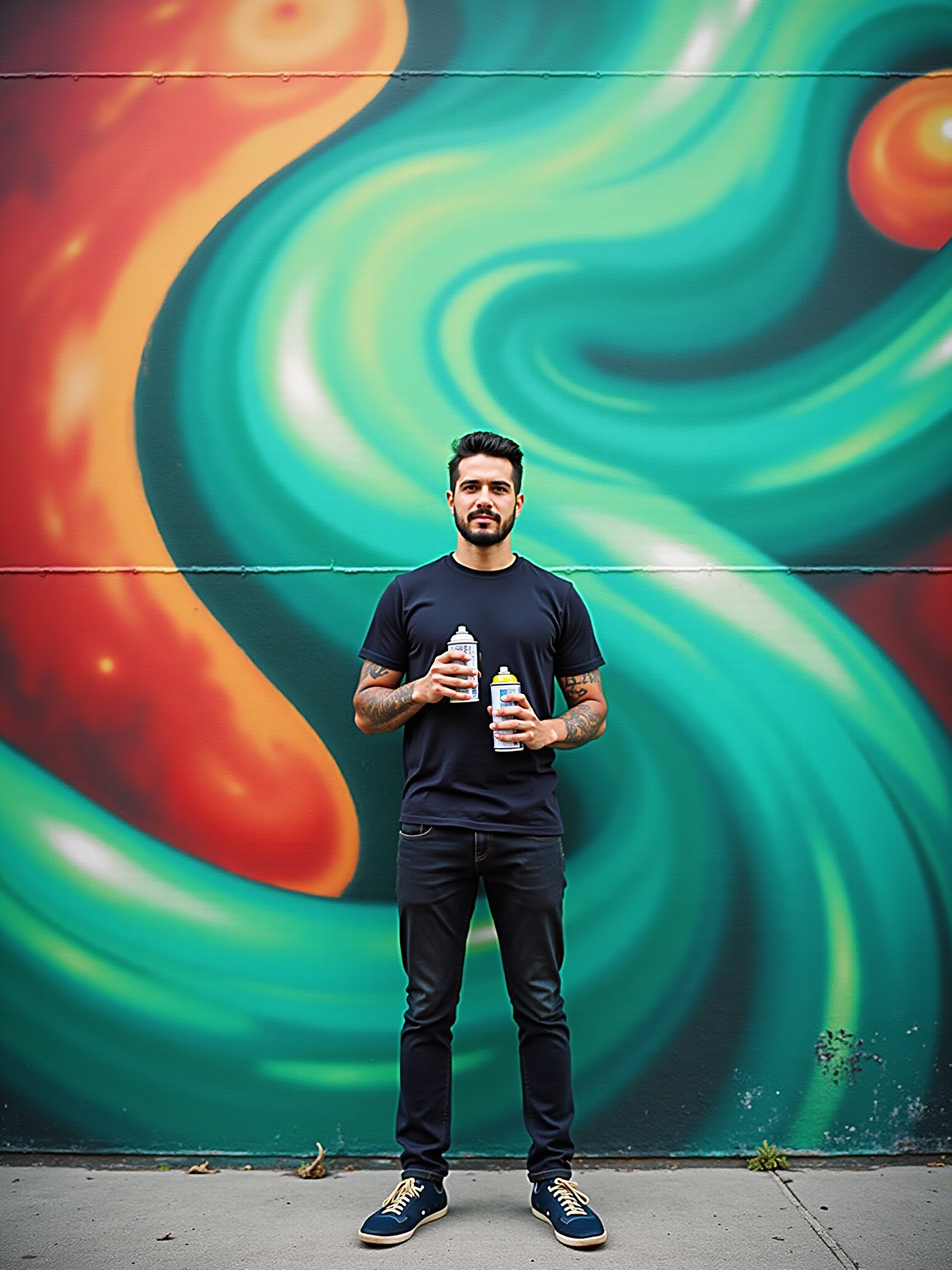
An Ojibway artist based in mission B.C. exploring dreamlike themes in the journey of discovering ones culture and identity. Dakota’s narrative-driven work blends painting and metalwork to create powerful contrasts and visual journeys. His passion and dedication shine through each piece.
KC Hall

KC Hall was born in Bella Bella, BC, He is the grandson of hereditary Chief Irene (Wakas) Brown. In high school, KC developed a passion for handwriting, lettering, and graffiti. After graduating from high school, he began creating work on a larger scale. In 2012, KC studied with Nisga’a artist Robert Tait in the Northwest Coast Jewellery Arts Program at Native Education College in Vancouver.
Ryan Hughes

Ryan Hughes is an urban Indigenous youth in the City of Surrey and is from the Snuneymuxw Nation. He is an up-and-coming multi-hyphenate artist who is honing his skills in wood carving, digital art, shading and colouring, as well as some painting. Hughes is mentored by Chris Sparrow and John Velton who teaching him technical skills in wood carving and digital art.
lawrence scow

Lawrence Scow, born in 1958 in Fort Rupert near Port Hardy, British Columbia, is a celebrated member of the Kwakwaka’wakw Nation. Growing up in a family with a rich legacy of carvers. He initially pursued a career as a commercial fisherman which he has continued to practice and is recognized as a master carver, creating works that honour his ancestors while inspiring future generations. His art stands as a testament to the enduring beauty and significance of Kwak'waka’wakw artistry.
alan speck

Allen Speck is fron the Henry Speck family from Alert Bay. Cheif Henry Speck name Osistalis
richie sugars

Richie is a seasoned professional artist with a unique style of painting in abstract cubism expressionism using bold colours and black outlines.Today you will find Richie painting on canvas, crafting stickers, postcards, high-end wall murals, and commissioned graffiti. With a never-ending imagination that is generously seasoned with wide-open creativity, Ricky is always learning, evolving, re inventing, challenging and trying new forms of art.
Jenna Visitor

(Oji-Cree, Whitefish River First Nation)
A visual storyteller and UBC BFA student, Jenna’s work explores Indigenous culture, language, and community through a lens of lived experience and research rooted in Indigenous knowledge.
CULTURAL PRESERVATION
EMPOWERING INDIGENOUS ART THROUGH REPRESENTATION
At Native Art Renaissance Gallery, our mission is to empower Indigenous art forms through representation, ensuring that the voices of Indigenous artists are heard and their cultural heritage is celebrated. Each piece displayed within the gallery space is a testament to our commitment to promoting the rich artistic traditions and contemporary visions of Indigenous artists.
COMMUNITY ENGAGEMENT
Community engagement lies at the core of our gallery's ethos, as we strive to build meaningful connections and dialogue through art. By engaging with diverse audiences in New Westminster, we aim to ignite a sense of shared cultural pride, inspire intercultural understanding, and cultivate a space where Indigenous art serves as a unifying force, transcending barriers and fostering inclusivity.
CULTURAL RELEVANCE
Every initiative undertaken by the Native Art Renaissance Gallery is deeply rooted in cultural relevance, addressing vital aspects of a variety of Indigenous heritage and experience. Through our workshops, exhibitions and public engagement, we endeavor to amplify Indigenous voices, evoke a sense of cultural consciousness, and spark enriching conversations about the significance of Indigenous art and Indigenous issues within contemporary society.